
Storage for Restaurants: 2026 Saudi Kitchen Guide
Smart Storage for Restaurants is the quiet engine behind every successful kitchen in Saudi Arabia. Behind the plated dishes and busy dining rooms sits a logistics challenge: keeping ingredients fresh, safe, and organised in a climate where outdoor heat regularly tops 45°C. This 2026 guide breaks down how restaurants, cafés, and catering operators can store food correctly, cut waste, and stay compliant, whether you run a single outlet or a growing chain across Riyadh, Jeddah, and Dammam.
Done well, professional Storage for Restaurants protects food safety, stabilises your costs, and frees up precious back-of-house space for cooking rather than hoarding stock.
Why restaurant storage matters more in Saudi Arabia
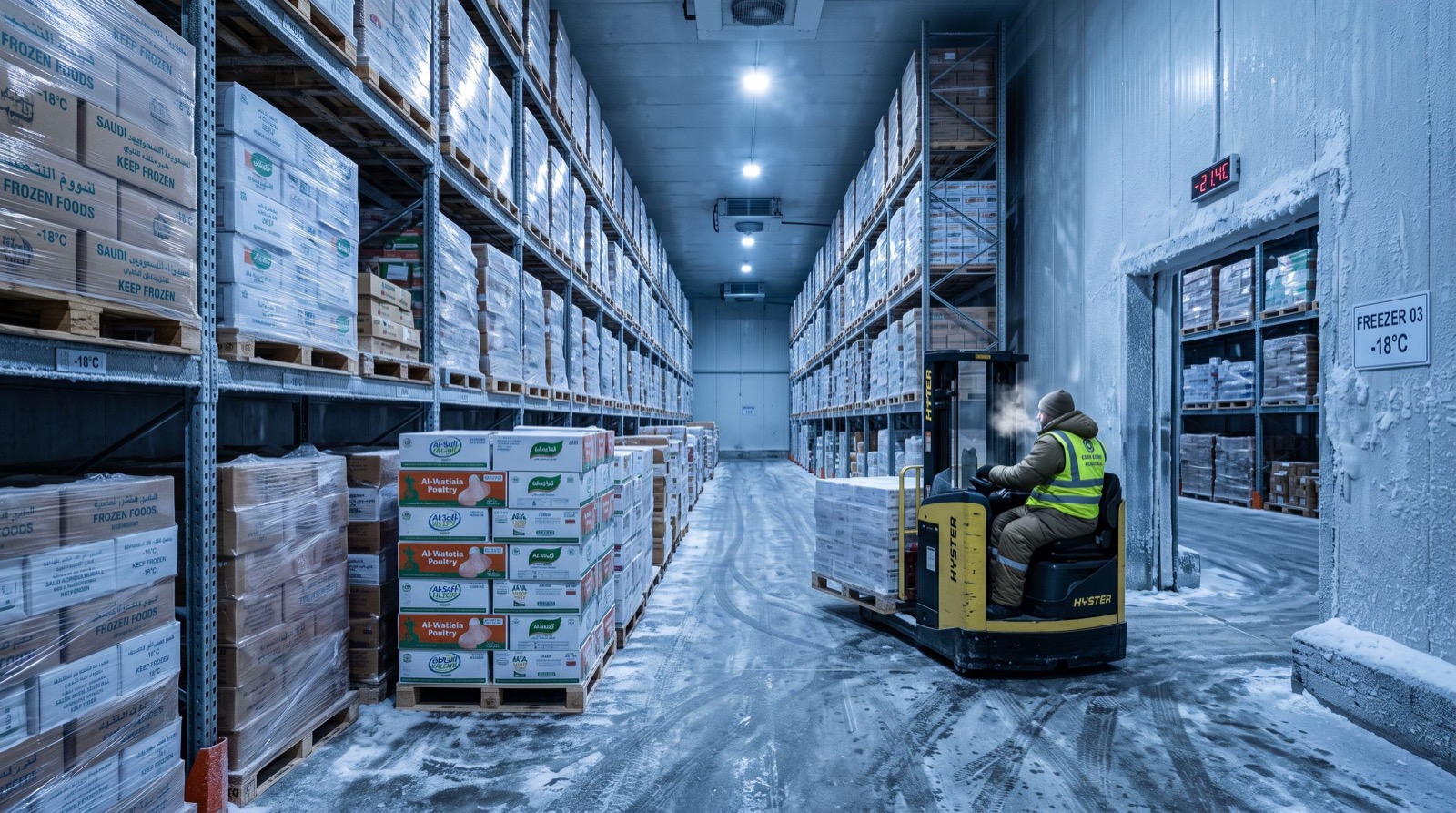
Restaurants juggle three temperature worlds at once: frozen proteins, chilled dairy and produce, and dry pantry staples. In the Saudi climate, any weak link spoils stock fast and puts diners at risk.
Poor storage shows up quickly as higher food costs, failed inspections, and inconsistent dishes. Strong storage does the opposite, keeping ingredients at their best from delivery to service.
Reliable Storage for Restaurants gives multi-site operators the cold rooms, dry space, and monitoring they need without cramming everything into an overworked kitchen fridge.
The three zones every restaurant needs
Good kitchen storage is built around three clear zones, each with its own rules.
| Zone | Temperature | Typical items | Main risk |
|---|---|---|---|
| Frozen | -18°C or below | Meat, seafood, frozen veg | Freezer burn, thawing |
| Chilled | 0–5°C | Dairy, produce, prepped food | Bacterial growth |
| Dry | 15–25°C, low humidity | Rice, flour, oils, canned goods | Moisture, pests |
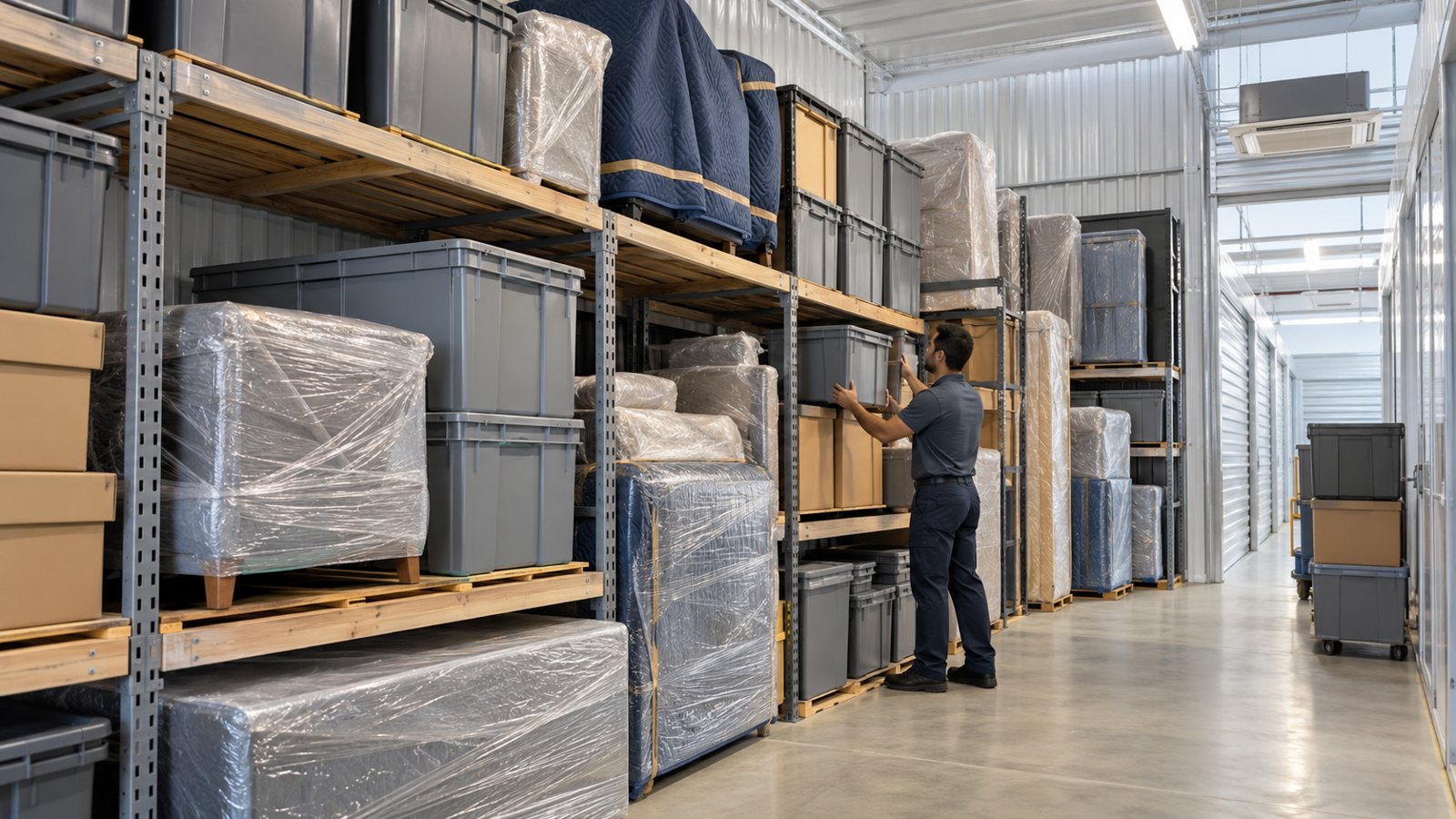
Dry goods are easy to underrate, yet they spoil fast when humidity creeps in. Operators in the Eastern Province often extend capacity with dedicated Dry Storage In Dammam so pantry staples stay crisp and pest-free away from the cramped kitchen.
Food safety rules you cannot skip
Food safety is non-negotiable, and inspectors take it seriously. Build these habits into daily routines:
- Store raw meat below ready-to-eat food to prevent drip contamination.
- Label everything with a prep or arrival date and use first-in, first-out rotation.
- Keep cold holding below 5°C and frozen below -18°C, verified with logged checks.
- Never overload shelves, as airflow keeps temperatures even.
- Separate allergens and strong-smelling items to avoid cross-contact.
Saudi food businesses should align storage with national rules. You can review official requirements on the Saudi Food and Drug Authority website, which sets expectations for how food is handled and kept.
Cutting food waste through better storage
Food waste eats directly into restaurant profit. Research by global bodies consistently links poor storage and rotation to a large share of avoidable kitchen waste. The international HACCP framework, promoted through the Food and Agriculture Organization, gives a proven structure for managing hazards from storage to service.
Simple fixes, clear labels, correct temperatures, and disciplined rotation, routinely trim waste and sharpen margins without changing a single recipe.
Choosing a storage partner for your restaurant
Growing operators often outgrow on-site storage and turn to specialist facilities. When you evaluate one, check:
- Multi-temperature zones so frozen, chilled, and dry stock sit under one roof.
- 24/7 monitoring with alerts and audit-ready temperature logs.
- Backup power to protect stock during outages.
- Hygiene and pest control suited to food handling.
- Flexible space that scales for Ramadan, holidays, and catering peaks.
- Good location near your outlets for fast, fresh deliveries.
Working with reputable service experts means your storage, rotation, and compliance are handled by people who do this every day, letting your team focus on the food.
How can restaurants reduce storage costs without risking safety?
The answer is zoning discipline: put every ingredient in the cheapest environment that still keeps it safe. Chilling and freezing are expensive, so only items that truly need cold should occupy those zones.
Proven cost-savers include:
- Moving shelf-stable staples into dry storage instead of crowding the chiller.
- Ordering to demand so stock turns over before it spoils.
- Consolidating multi-site inventory in a shared facility to buy in bulk.
- Reviewing stock weekly to catch slow movers early.
One original tip from the field: track your “waste by zone” for a month. Most kitchens discover that one zone, often dry goods or prepped produce, drives the bulk of losses, which tells you exactly where better storage pays for itself first.
Frequently Asked Questions
What are the main types of restaurant storage?
Restaurants rely on three types: frozen storage for long-term proteins, chilled storage for dairy and produce, and dry storage for shelf-stable staples like rice, flour, and canned goods. Each needs its own temperature and humidity controls.
What temperature should restaurant fridges and freezers be?
Chilled storage should stay at or below 5°C, and frozen storage at or below -18°C. Log temperatures regularly and act quickly on any drift to keep food safe and compliant.
How can a restaurant reduce food waste?
Use first-in, first-out rotation, label everything with dates, store items in the correct zone, and order to actual demand. Reviewing stock weekly helps catch slow movers before they spoil.
Should a restaurant use an off-site storage facility?
Growing chains and caterers often benefit from off-site multi-temperature storage. It frees kitchen space, supports bulk buying, and provides professional monitoring, backup power, and compliance that small on-site units cannot match.
Scaling storage as your restaurant grows
A single outlet can often manage with on-site fridges, freezers, and a small dry store. But as soon as a second or third location opens, storage becomes a network problem rather than a kitchen one.
Multi-site operators gain real advantages from a central storage strategy. Bulk purchasing lowers ingredient costs, consistent stock keeps every branch serving the same quality, and shared cold rooms smooth out demand spikes during Ramadan or large catering jobs.
Consider this simple growth path:
- Single site: optimise in-kitchen zones and tight rotation.
- Two to three sites: add a small shared dry store for bulk staples.
- Chain or caterer: use a central multi-temperature facility feeding all outlets.
Planning storage ahead of expansion prevents the classic trap of outlets tripping over stock in cramped back rooms. It also makes food-safety audits far easier, because inventory and temperature records live in one organised system rather than scattered across sites.
Treat storage as infrastructure, not an afterthought, and growth becomes smoother, safer, and more profitable at every stage.
Conclusion
Reliable Storage for Restaurants protects food safety, controls costs, and keeps every dish consistent, no small feat in the Saudi climate of 2026. By mastering the three storage zones, following food-safety rules, cutting waste through disciplined rotation, and choosing the right facility, operators of every size can run smoother, safer kitchens. Audit your current setup, match each ingredient to its ideal zone, and partner with specialists who treat your stock as carefully as you treat your guests.